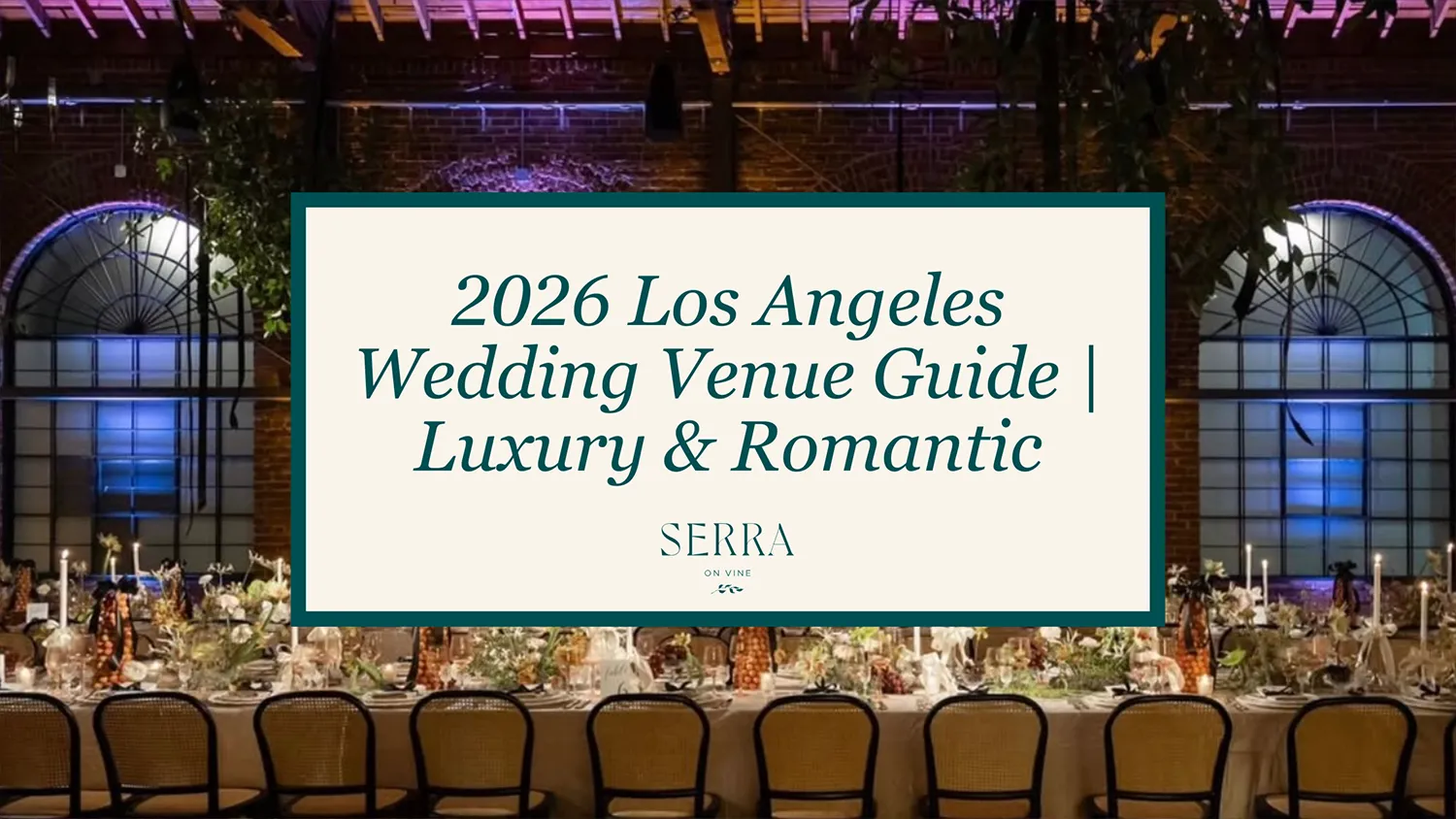
Candlelight sets the mood, but layered lighting makes an industrial wedding venue feel complete. The most effective lighting ideas for industrial wedding venues combine candles, warm string lights, and ambient illumination to soften exposed brick, concrete, and high ceilings. Candlelight alone provides just 10-20 lux, which is insufficient for clear table visibility and photography.
An industrial venue’s appeal lies in its contrasts: raw materials and striking architecture balanced by intimate, celebratory details. Thoughtful lighting brings out the texture of brick, warms the room, and creates a welcoming atmosphere without concealing the space’s character.
This guide to lighting ideas for industrial wedding venues covers candle placement, string lights, and color temperature, along with ways to layer ambient light. Use these choices to create a romantic ceremony setting, comfortable dinner tables, and a lively atmosphere as the celebration unfolds.
Key Takeaways
- Use candles and votives as intimate accents, then pair them with broader illumination so tables and faces remain visible.
- Plan string lights around the venue’s beams, ceiling height, and dance floor to create a warm canopy without overwhelming the space.
- Choose light color with the room’s surfaces in mind: warm tones bring depth to brick, while concrete benefits from a carefully balanced glow.
- Layer ambient and accent lighting to highlight architectural features and shift the mood from ceremony to celebration.
1. Candle arrangements and hanging votives
Before planning candles or hanging lights, confirm the venue’s rules and how the fixtures will be installed. A venue may allow enclosed votives but not open flames, and hanging fixtures need suitable support and placement. Settling these details early helps keep the design practical and aligned with the space.
Arrange candles intentionally instead of spacing single flames evenly across every table. A trio at varied heights can anchor a low floral centerpiece, while a row of votives can lead the eye along a long table. Leave room for place settings, serving dishes, and guests’ hands.
Mercury glass holders add a reflective detail that suits industrial interiors. Set votives in them on reclaimed wood to contrast aged timber with glimmering glass, while keeping the table’s texture visible. Repeating one holder style across tables creates cohesion; varied flowers or greenery add distinction.
Scale matters. A tall candle arrangement can become a statement on a spacious head table, but shorter votives keep sightlines open across guest tables. For a centerpiece that deserves extra emphasis, small LED spotlights can sit 2-3 feet away and angle toward it at 45 degrees. This directs attention without requiring more candles or crowding the table.
Treat candlelight as an accent, not the sole source of illumination. Guests need enough light to see dinner, and photographers need to capture expressions. Pair candles with broader ambient lighting, particularly in corners and beneath high ceilings, where small flames cannot light the whole room.
Chandeliers complement candle arrangements by drawing the eye upward while candles add an intimate glow at table level. If a chandelier is already a focal point, echo its shape with repeated candle groupings rather than adding a competing centerpiece pattern. Simple votives can visually connect the ceiling and tables.
LED candles offer a flame-free option where open flames are not permitted. Use them in aisle lanterns, glass table holders, or hanging votive-style fixtures suited to the setup. Matching their color and height keeps the effect deliberate. Where permitted, real candles can add another layer, balancing atmosphere with visibility and venue requirements.
Wedding reception candle arrangements might feature glittering candles, tall candles in holders, or hanging votives. Choose a style that complements the room, whether candles sit among table decorations or form part of a suspended display. Outdoors, candles and votives can take the place of larger centerpieces, making light a defining part of each table’s design.
In a venue with chandeliers, electric candles along the pews can carry the lighting scheme through the ceremony space. Repeating a candle style in different areas ties the arrangements together, while glittering groups, tall encased candles, and hanging votives create distinct effects.
2. String-light placement in warehouses and lofts
String lights soften a warehouse’s scale without hiding its beams or exposed structure. Edison bulbs create a warm glow, and parallel rows establish a clear pattern above dining tables or the dance floor. For a romantic ceremony, carefully placed strands can frame the vows and draw focus to the couple.
Start by mapping the room’s main zones: ceremony area, guest tables, and dance floor. For a balanced canopy, hang parallel lines at consistent heights of 8-10 feet, spaced 4-6 feet apart. This arrangement gives the ceiling a deliberate rhythm. In a loft with varied beams, suspending strands at different heights can emphasize the architecture instead.
For a softer perimeter effect, drape fairy lights around the room at eye level, 6-7 feet high. This placement brings a gentle glow closer to guests and defines the room’s edges. Keep the central ceiling pattern distinct from the perimeter so the elements feel layered rather than crowded. A single strand around a railing can also connect a balcony to the reception floor.
Evergreen accents add texture to string-light designs. Weave strands through branches or around greenery near the ceremony entrance to create a frame. For a winter-inspired look, lights on branches can suggest a softly illuminated landscape. Concentrate foliage in selected areas, such as an entryway or backdrop, so the bulbs remain visible.
Bistro and market string lights work especially well above a dance area or dining zone. Their exposed bulbs create a relaxed, intimate atmosphere, while a canopy marks the gathering space within a larger warehouse. Align the strands with the room’s beams or table layout. That simple choice makes the installation feel architectural, not accidental.
If several hanging fixtures share an area, plan for dimmer switches. Lower the brightness during vows or speeches, then increase it for dinner and early reception activity. As dancing begins, soften the overhead glow so the floor feels inviting rather than brightly lit. Dimmers let one installation support different moments.
Before choosing a design, sketch the overhead pattern in relation to tables, walkways, and the dance floor. This reveals where a strand might interrupt the visual flow or leave a zone feeling disconnected. A considered layout can make industrial details feel more intimate. Explore an industrial wedding setting as you imagine how warm string lights could shape your celebration.

3. Choosing color temperatures for different venue surfaces
For brick walls, warm amber uplighting at 2200K-2700K can bring out depth and texture. Place uplights along the wall to graze the surface, rather than aiming every fixture directly at the same spot. For exposed beams, use a warm, restrained wash that emphasizes their shape without competing with the brick.
Concrete responds differently. A 3000K light can help it avoid a washed-out appearance, while warm white at 2700K creates a romantic ceremony atmosphere. These temperatures give couples a useful starting point, not a single setting for every fixture. Test the chosen light on the actual wall or floor, since surface color changes how it appears.
Warm color temperatures between 2000K and 3500K can suit wedding spaces, depending on the fixture and the moment. A 2700K-3000K range can support atmosphere and photography, while brighter functional light can serve dinner or setup. Blend the sources deliberately: keep the wall wash warm, then direct a separate fixture toward a focal point.
For brick-wall uplighting, position fixtures at the wall’s base and spread them 6-8 feet apart. This creates an even sequence of light, while closer visual accents can draw attention to a beam or architectural feature. Aim each beam upward to reveal texture. Avoid flooding the whole wall with one flat color, which can obscure the surface detail.
Ask about available power, approved rigging points, load limits, cable routes, and rules for fixtures or flames. These details shape the layout: ceiling-hung lights require approved supports, while floor-based uplights avoid overhead rigging. Route cables away from guest paths to keep movement between tables and the dance floor clear.
Choose lighting to suit the room’s size, ceiling height, and natural light. In a large space, layer sources so distant walls remain visible; in a low-ceiling area, prioritize wall washes and table-level fixtures. For a daytime ceremony, account for changing light through the windows and adjust artificial lighting for evening.
Colored LED lenses can accent a feature without changing every fixture. Apply a muted hue to one architectural detail and retain warm white light where guests gather. Cooler color temperatures can make complexions look washed out in photographs, so use flattering light near faces. For dancing, direct saturated color at a focal wall or beam rather than across guests.
Before finalizing the plan, test each fixture against brick, concrete, and skin tones. Walk from the ceremony area to the dance floor to spot dark corners or clashing colors. This final check helps the surfaces, focal points, and photographs feel like part of one considered design.
4. Ambient lighting for industrial-chic weddings
Industrial spaces benefit from layered lighting rather than one dominant fixture. Combine a soft ambient wash with architectural accents and focused light over key areas. Exposed pipes, brick, and ceiling beams then contribute to the evening’s atmosphere instead of disappearing into shadow.
For the ceremony, use a gentle wash behind the couple and keep the aisle visible. At the reception, shift emphasis to tables, the bar, or the dance floor. Edison bulbs can trace a ceiling beam, while uplights reveal a brick wall’s height and texture. This mix adapts the same room to each moment.
Uplighting places fixtures at the base of walls or pillars, casting light upward across architectural details. Space them 6-8 feet apart along walls for an even rhythm, adjusting around doorways and prominent features. Projection mapping offers another focal treatment, turning a blank wall into an immersive canvas without adding physical décor.
Ambient light also supports practical visibility. A combination of candlelight, ambient uplighting, and accent lighting typically provides 300-400 lux for wedding photography. If a chandelier is decorative rather than functional, uplighting or wall-mounted fixtures can provide 60-70% of the ambient light. The remaining layers can highlight tables, the ceremony backdrop, and the dance floor.
A strong plan for ceremonies and receptions combines a warm architectural wash, soft table lighting, and brighter focused light where guests gather or move. Dim the overall illumination for vows or speeches, then brighten selected areas for dining and dancing. A gradual transition changes the mood without suddenly brightening the entire room.
DIY lighting can work for simple setups, such as table accents or a small group of portable fixtures. A lighting professional is useful for ceiling installations, multiple lighting zones, projection, or timed changes. The choice depends on complexity: a specialist can coordinate the layers, while a simpler setup allows couples more direct involvement.
Wedding lighting rental prices vary across the United States. Quotes depend on the number of fixtures, installation complexity, control needs, labor, and event duration. Those factors also shape the design, so prioritizing the ceremony backdrop and guest tables helps focus the plan.
Uplight quantity follows the wall layout, not a universal warehouse count. Place fixtures 6-8 feet apart, then account for the wall’s length, corners, doorways, and architectural focal points. This creates a consistent wash while allowing special features to receive more attention.
For inspiration, explore an industrial wedding venue and imagine how layered ambient light could transform its architectural character.
Serra On Vine: Main Event Hall
Serra On Vine’s Main Event Hall offers an industrial setting where lighting can highlight original exposed brick, high bow truss ceilings, and elegant marble finishes. Use warm uplighting to emphasize the brick, suspended fixtures to draw attention to the ceiling, and comfortable illumination at the tables. The result can feel intimate while preserving the hall’s architectural character.
For celebrations that extend outdoors, Serra On Vine’s Lush Courtyard offers a distinct setting for ambient string lights and candlelit details. Consider how each space can support the ceremony, reception, and transitions between them as you develop the lighting plan.
To explore which setting suits your celebration, contact Serra On Vine.
Shape the atmosphere around your celebration
A memorable lighting plan starts with the feeling you want guests to carry from one part of the celebration to the next. As you refine your lighting ideas for industrial wedding venues, consider how the design will support the ceremony, welcome guests to the reception, and shift naturally into the evening. A clear mood gives each lighting choice a purpose.
Serra On Vine offers the Main Event Hall and Lush Courtyard, two distinct settings for your wedding. Consider where you want the celebration to unfold and how light can make each moment feel considered and personal.
Let your vision guide the next step. Contact Serra On Vine about your wedding to explore the venue for your celebration. Your lighting concept can begin with the atmosphere you want to create.
Frequently Asked Questions
How to use string lights in a warehouse wedding venue?
For lighting ideas for industrial wedding venues, use string lights to define a route through the space, guiding guests from the entrance toward the ceremony area. Align the layout with the beams or table arrangement, and keep signs and key sightlines clear. In a Los Angeles warehouse venue, an overhead pattern can connect distinct zones while leaving the structure visible.
How to combine ambient, accent, and task lighting for a wedding?
Give each lighting layer a clear role: ambient light sets the room’s overall mood, accent light highlights a feature, and task light supports activities such as reading a menu. For example, create a soft general glow, highlight a floral installation, and provide focused light at the guest-book table. This hierarchy helps guests find gathering points without making every area equally bright.
Energy-efficient LED lighting options for industrial wedding venues
Among lighting ideas for industrial wedding venues, LED bulbs, uplights, and spotlights are practical choices for illuminating distinct zones. LED technology uses 75% less energy than incandescent bulbs. Make each fixture serve a clear purpose, such as illuminating a welcome display or defining a reception focal point. Choose the light color and placement to complement the atmosphere you want to create.